ADVERTISEMENTS
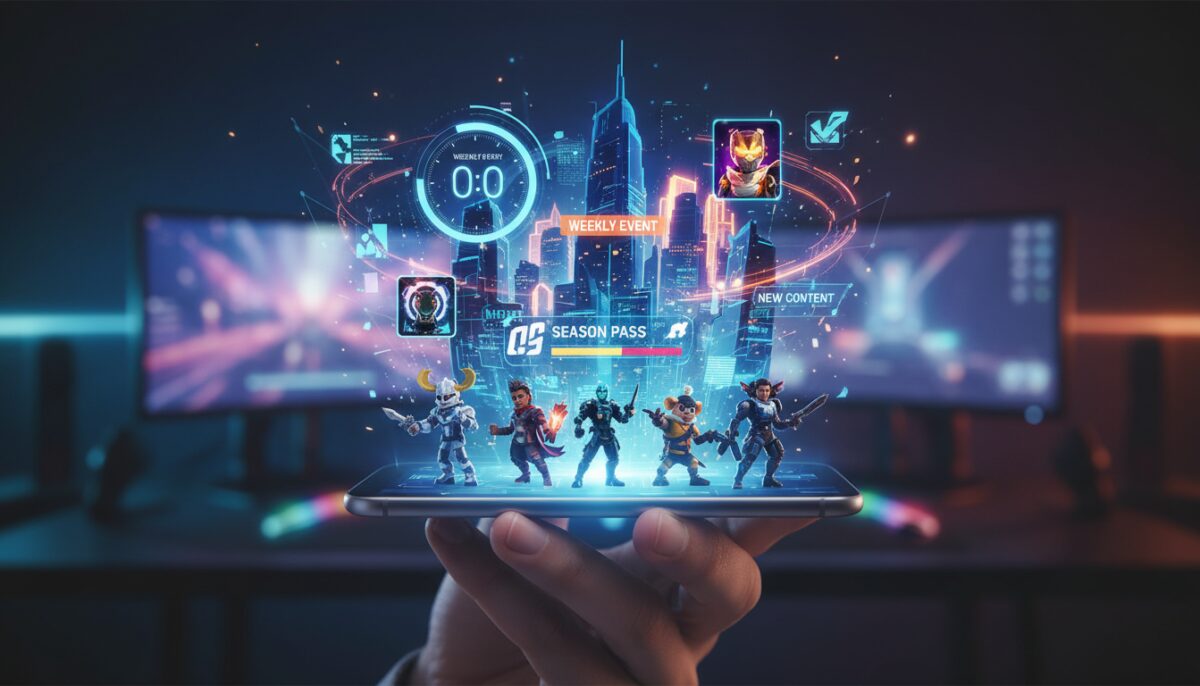
If you frequently play games on your mobile phone, you've probably noticed that your favorite games are always getting new features. Weekly events, new characters, special seasons… this is no coincidence! You're experiencing the model of… mobile games live service, which has become practically a standard in the industry.
But what exactly does this term mean that everyone talks about but few explain properly? And why has this model completely dominated the mobile market in recent years?
ADVERTISEMENTS
Let's delve deep into this subject and understand how this revolution that has completely changed the way we play games on our smartphones works.
What Defines a Live Game Service?
One live service game (or games as a service) is basically a title that receives constant content updates after its release. Unlike traditional games that you bought, played, and that was it, these games are designed to evolve continuously.
ADVERTISEMENTS
Think of it this way: instead of being a finished product, the game functions as a living platform that is constantly growing and transforming. It's like buying a book that gets new chapters every week.
In the mobile universe, this means that games like Free Fire, PUBG Mobile, Genshin Impact, and Brawl Stars never stop receiving new features. There's always something new waiting for you to open the app.
Key Features of Live Service Games
These games share some very distinctive characteristics that set them apart from traditional titles. Recognizing these elements helps to better understand the model.
- Frequent updates with new content, characters, maps and game modes
- Season system that renew the game every period (usually monthly or quarterly)
- Limited events that create a sense of urgency and exclusivity
- Battle Pass or progression systems with tiered rewards
- In-game store constantly updated with cosmetic and functional items
- Online connection required to access the full content
- Active community with feedback that influences development
- Social events and collaborations with other brands or franchises
How Do These Games' Monetizations Work?
Here's the secret that made live service games explode on mobile: the model. free-to-play with microtransactions. You download the game for free, but the developer makes money in other ways.
This strategy removes the barrier to entry. Anyone can try the game for free. Then, if they like it, they can invest in cosmetic items, battle passes, or other premium content.
It's a model that has proven extremely profitable. Games like Clash of Clans and Candy Crush have already grossed billions of dollars using exactly this formula.
Main Sources of Revenue
Developers use a combination of strategies to monetize their live service games. The secret lies in offering real value without making the game unfair to those who don't pay.
Skins and cosmetics These are the most popular font. They don't affect gameplay, they just make your character or weapon look nicer. It's purely aesthetic, but people love customizing their avatars.
THE Battle Pass It's become practically mandatory. For a fixed price (usually between 10 and 30 reais), you unlock a progressive rewards system that lasts an entire season. It's like a temporary subscription.
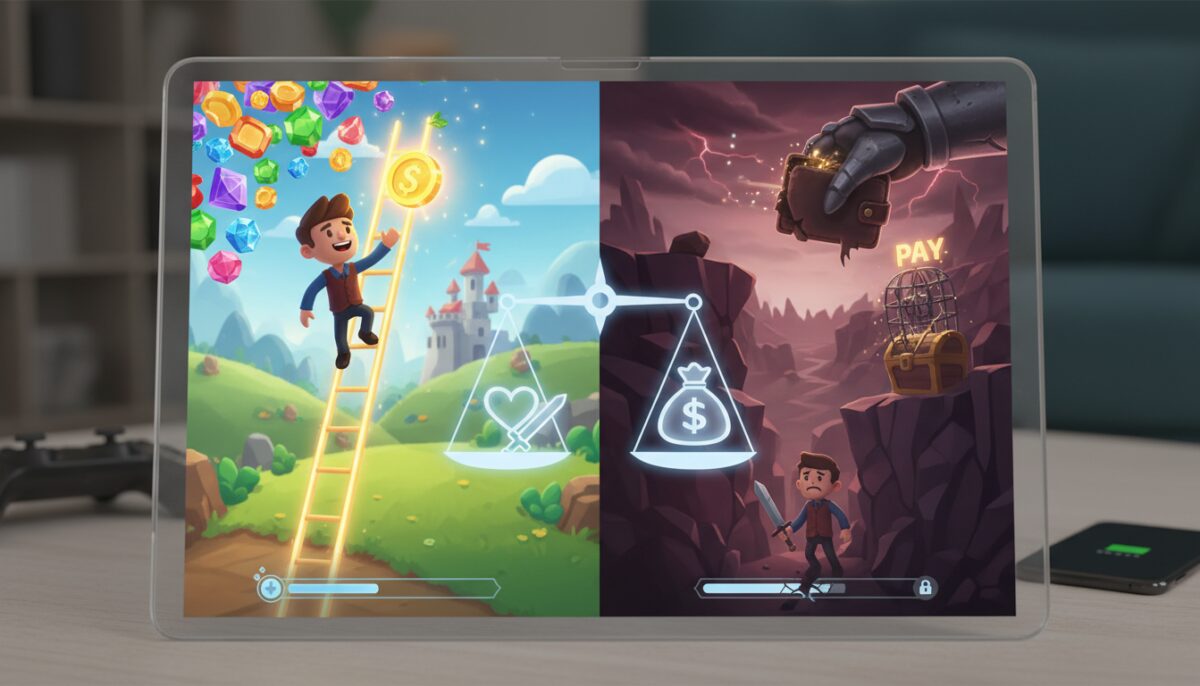
Premium coins They allow you to accelerate progress or buy special items. Some games balance this well, while others end up becoming "pay-to-win," which drives players away.
You Gacha Systems (Lottery systems) are controversial but extremely lucrative. You spend resources for a random chance to get rare characters or items. It's practically a digital casino.
Why This Model Exploded in Mobile
The growth of live service games on mobile was no accident. There is a perfect combination of technological, behavioral, and economic factors that have created the ideal environment for this model to thrive.
First, the Smartphones have become extremely powerful.. Today you carry in your pocket a device capable of running games with incredible graphics and complex mechanics. This has opened up possibilities that were unimaginable just a few years ago.
Second, the Mobile internet has improved dramatically.. With 4G and 5G, playing online on mobile became as good as on PC. Stable connections allowed for consistent multiplayer experiences.
Third, it changed the player behavior. People want to play in short sessions throughout the day – on the bus, during their work break, before bed. Live service games fit this pattern perfectly.
The FOMO Factor (Fear of Missing Out)
One of the most powerful psychological drivers of live service games is... fear of being left out. Limited-time events, exclusive skins, seasons that end... all of this creates a sense of urgency.
When you know that special skin will only be available for a week, the urge to play increases. When all your friends are participating in an event, you don't want to be the only one left out.
This mechanism keeps players engaged and constantly returning. And engaged players are players who eventually spend money on the game.
Advantages of Live Service Games
Despite the criticism this model receives, it has brought real benefits to both players and developers. Let's be fair and acknowledge the positive aspects.
Constant and free content This is probably the biggest advantage for gamers. You don't need to buy expensive expansions or DLCs. Updates arrive automatically and are usually free.
THE longevity of games It has increased dramatically. Titles like Clash Royale and Pokémon GO have been active for years, with gigantic and active communities. In the past, a mobile game would last a few months at most.
Developers can fix problems quickly. Found a bug? An update fixes it in days. Is a character too strong? A balance patch adjusts it. This agility greatly improves the experience.
THE The community has an active voice.. Studios monitor feedback on social media and forums, implementing suggestions from the players themselves. This creates a sense of belonging and collaboration.
For developers, the recurring revenue It allows for continuous investment in the game. Instead of a sales spike at launch and then nothing, they have a steady stream of money to keep teams working.
Disadvantages and Criticisms of the Model
Not everything is rosy in the world of live service games. There are legitimate problems that need to be discussed and that affect both players and the industry as a whole.
The biggest problem is when games become pay-to-win. When those who pay more gain real competitive advantages, the game loses its appeal for those who cannot or do not want to spend money. This fragments the community and drives players away.
THE constant pressure to play It can be exhausting. Daily events, weekly missions, seasons with deadlines… all of this turns fun into obligation. Many people report feeling anxious about “losing” rewards.
You Gacha systems are practically gambling.. This is especially concerning when children and teenagers have access to it. Several countries are already regulating or prohibiting these mechanics, considering them gambling.
Live service games they can disappear completely. Because they rely on online servers, when the developer decides to end support, the game simply ceases to exist. You can no longer play, even if you've spent money on it.
THE Quality is sometimes sacrificed for quantity.. With the pressure to constantly release content, some games prioritize volume over polish. Updates arrive with bugs or repetitive content.
Examples of Success in Mobile
Several mobile games have dominated the market by masterfully using the live service model. Each has found its own formula for success.
Genshin Impact It revolutionized what was possible on mobile. With console-quality graphics, a gigantic open world, and updates every six weeks bringing new regions and characters, the game generates billions annually.
Free Fire It has dominated Brazil and other emerging markets. With constant events, collaborations with celebrities and influencers, and frequent updates, it keeps millions of players active daily.
Brawl Stars Supercell shows how to do live service with respect for the player. New brawlers are released regularly, game modes rotate, and a fair progression system keeps the community happy.
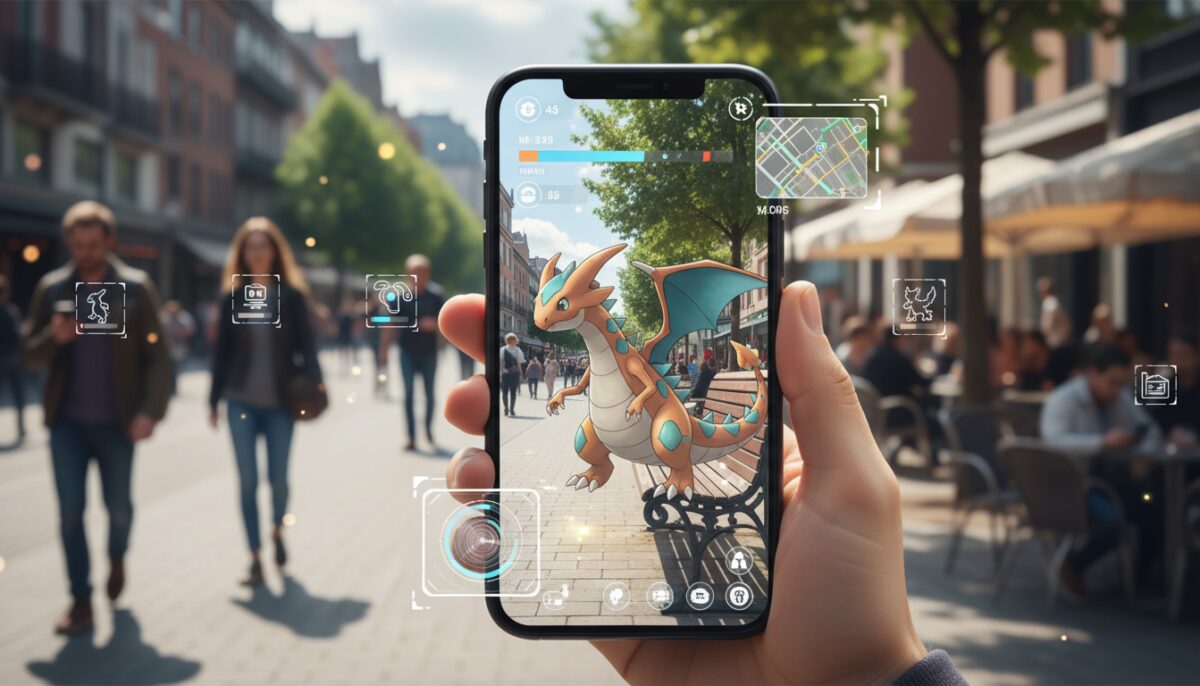
Pokémon GO It has proven that live service works even in augmented reality games. Seasonal events, special raids, and the gradual introduction of new generations of Pokémon keep the game relevant years after its release.
The Future of Live Service Games on Mobile
The trend suggests that live service games will continue to dominate the mobile market in the coming years. But the model is evolving and refining itself based on lessons learned in recent years.
We are seeing a movement towards More ethical monetizations. Developers have realized that players value transparency and fairness. Overly greedy games are being abandoned.
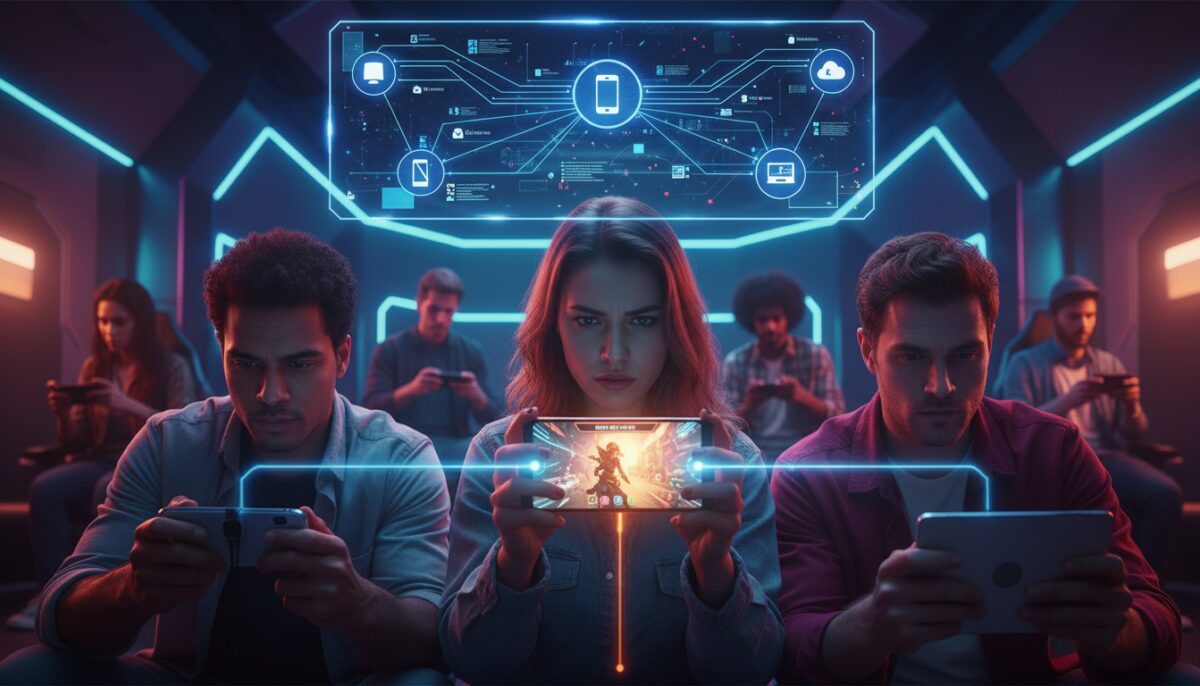
THE integration between platforms It's growing. More and more games allow you to play on mobile, PC, and console with the same account, taking your progress with you wherever you go. This greatly expands the reach.
Technologies such as cloud gaming They could revolutionize the sector even further. Imagine playing full AAA titles on your mobile phone via streaming, all operating as a live service. The future looks promising.
THE AI-powered personalization Also coming soon: Games that adapt events, difficulty, and offers based on your individual play style. Each player will have a unique and personalized experience.
How to Enjoy Live Game Services in a Healthy Way
If you enjoy live service games but want to avoid the downsides, some practices can help you maintain a healthy relationship with these titles.
Set time and money limits.. Decide in advance how much you can spend monthly and how much time you want to dedicate to it. When you reach those limits, stop. It's that simple.
Don't let FOMO get the better of you.. It's perfectly fine to miss out on an event or an exclusive skin. Seriously. Your life won't get worse because you don't have that limited character. Play for enjoyment, not out of obligation.
Prioritize games that respect your time.. There are live service games that don't require daily logins or long sessions. Look for titles that fit into your routine, not the other way around.
Remember that it's entertainment.. When gaming becomes a source of stress or anxiety, something is wrong. Take breaks, try other games, and maintain perspective.
Final Considerations
Mobile live service games are here to stay. They represent the natural evolution of the mobile gaming industry, combining technology, psychology, and business models in an extremely efficient way.
As gamers, we have the power to influence this market. Supporting games that do live service ethically and abandoning those that abuse our goodwill sends a clear message to developers.
The model has its problems, no doubt. But it has also brought undeniable benefits: longer-lasting games, stronger communities, constant content, and experiences that evolve over time.
Ultimately, the secret lies in balance. Developers need to balance profit with respect for the player. And we, the players, need to balance fun with responsibility.
Live service games have completely transformed the mobile landscape. Understanding how they work makes us more informed consumers and more satisfied players. And that, in the end, benefits everyone.